sharmaanubhav6660@gmail.com
The New Reality: A System Under Pressure
The US hospital industry is standing at a critical crossroads in 2026. The Association of American Medical Colleges (AAMC) projects a physician shortage reaching 86,000 by 2036, and 31 of 35 physician specialties are expected to face supply gaps . This isn’t just a staffing problem—it fundamentally changes how hospitals operate, compete, and attract patients.
The population aged 65 and older is projected to grow 34.1% by 2036, driving demand across nearly every medical specialty . Meanwhile, more than one in five active physicians is 65 or older, and another 22% are between 55 and 64, meaning retirement waves are already underway . Burnout compounds the problem—the AMA reported that 43.2% of physicians experienced burnout symptoms in 2024, pushing many toward locum tenens work or early retirement .
For hospital marketing and SEO professionals, this creates both urgency and opportunity. Patients are searching more intensively for care, and hospitals that appear in search results capture patients that competitors cannot see. This article explores which specialties face the highest demand in 2026 and provides a practical SEO roadmap for hospitals to win in this competitive environment.
The Market at a Glance: $1.93 Trillion and Growing
The United States hospital facilities market is valued at approximately $1.93 trillion in 2026 and is projected to reach $2.8 trillion by 2031 . This growth is driven by the aging population, rising chronic disease burden, and the structural shift toward outpatient care.
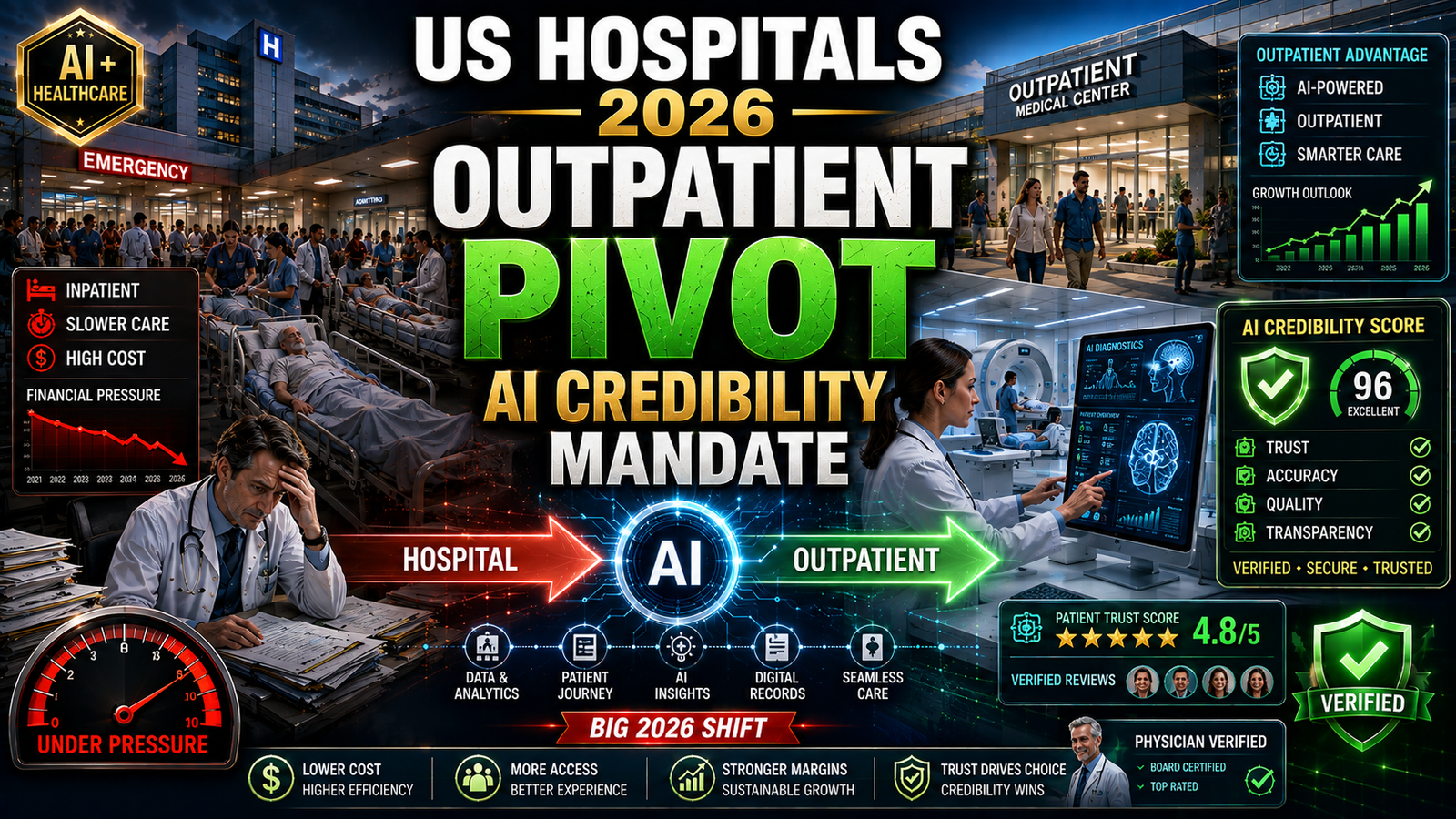
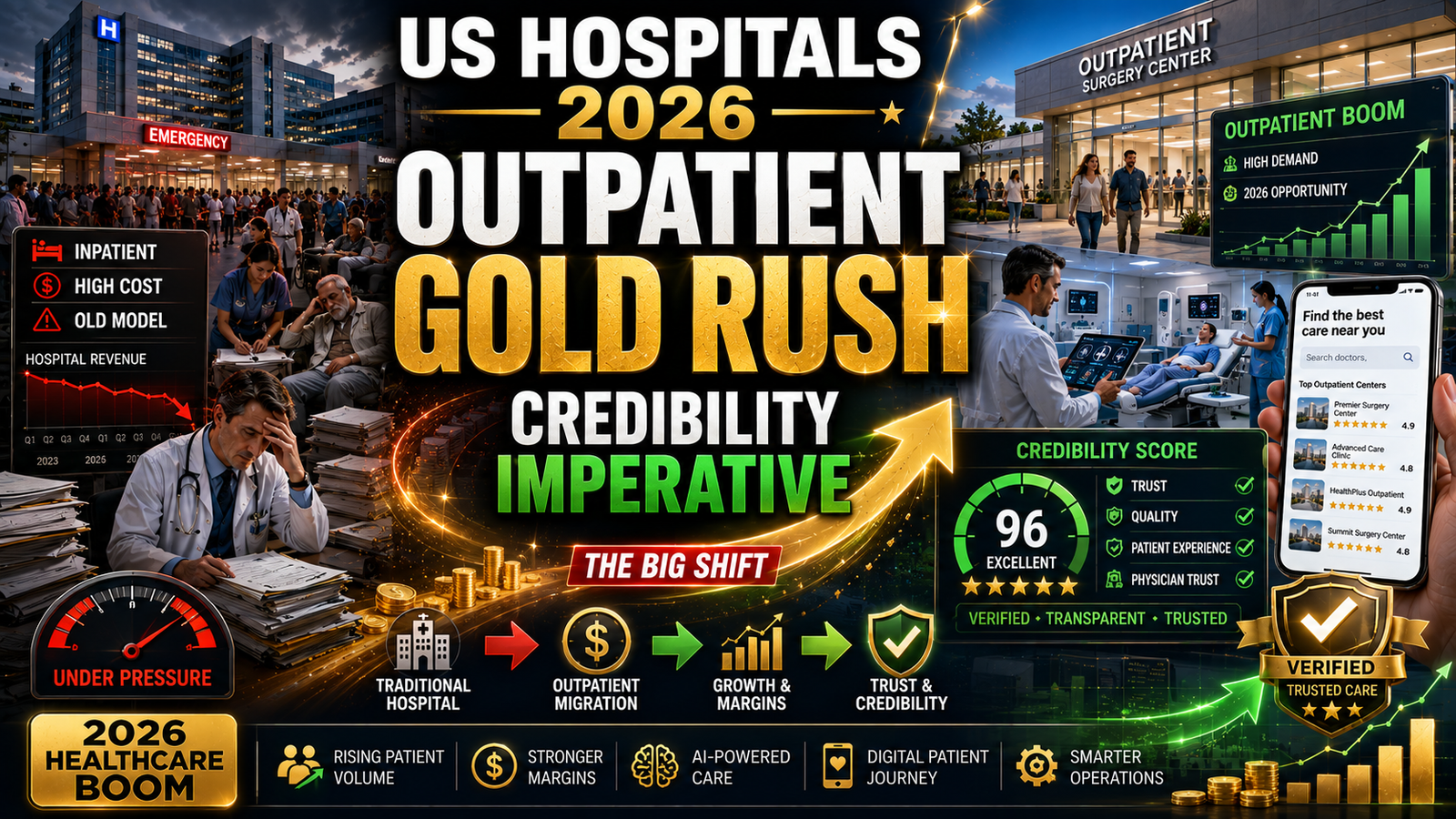
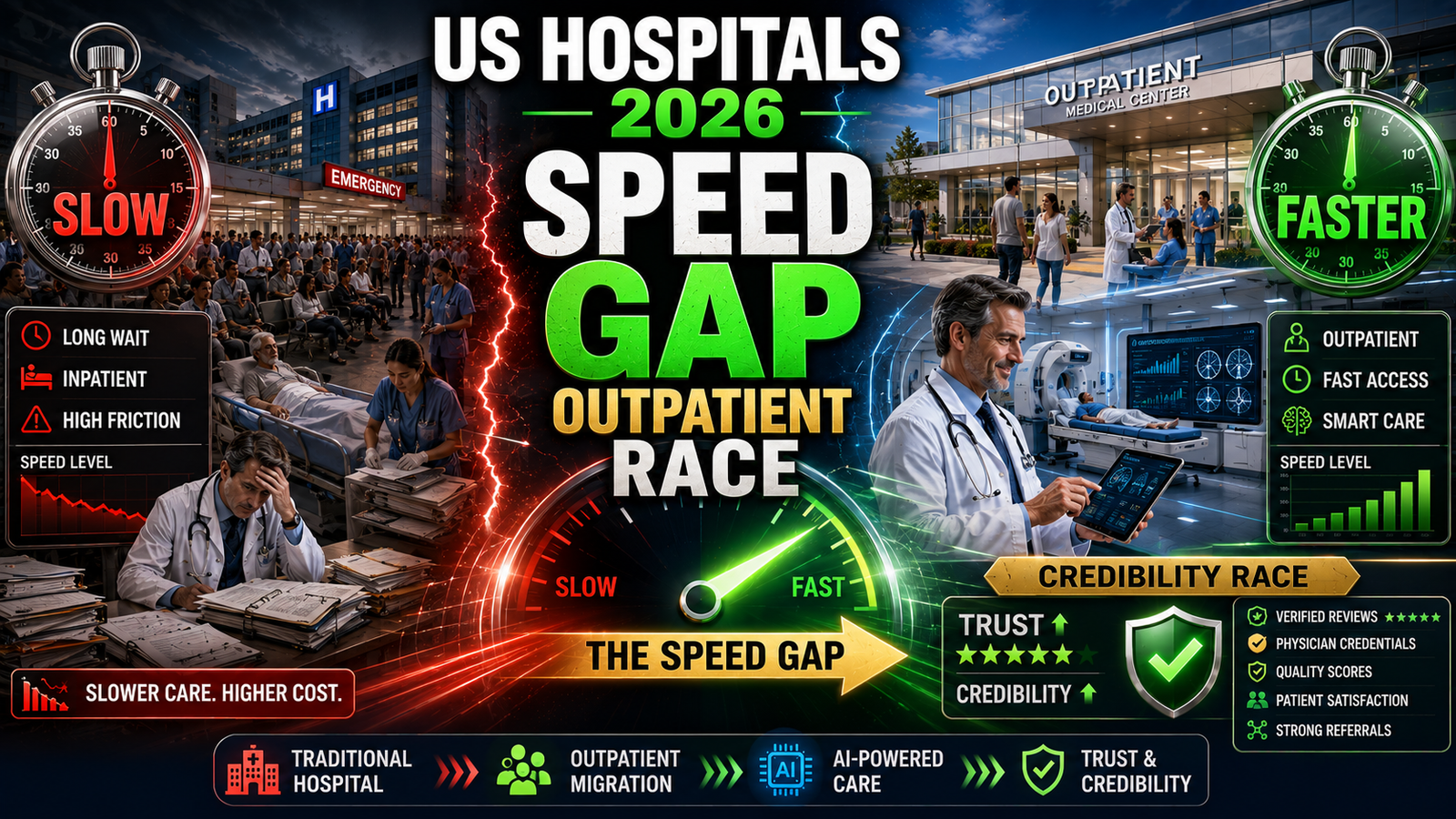
Outpatient services held 54.31% of the market share in 2025 and are projected to grow at a CAGR of 8.38% through 2031 . More than 65% of surgeries now take place in outpatient settings, and hospital-owned outpatient facilities performed 45% of outpatient surgeries in 2025 . This shift is structural—the procedure migration that accelerated during the pandemic has not reverted to earlier inpatient patterns.
Public and community hospitals command 53.24% of revenue in 2025, making them the largest facility type . However, state-owned and federal hospitals are the fastest-growing facility type, with a CAGR of 8.52% through 2031, signaling continued public capacity investment .
Top 8 High-Demand Specialties in 2026
Based on data from Doximity, physician recruiters, and national workforce projections, these specialties face the most acute demand :
1. Psychiatry and Behavioral Health
The Demand Gap: The Health Resources and Services Administration (HRSA) reports more than 160 million Americans live in mental health provider shortage areas. Psychiatry accounts for approximately 11% of all locum tenens usage .
Why It’s Growing: An aging psychiatry workforce, insufficient residency slots, and rising prevalence of anxiety, depression, and substance use disorders ensure this shortage persists well beyond 2026. Psychiatry added 128 positions in the 2026 residency match and filled 97.4% of them—the highest fill rate among large specialties .
SEO Opportunity: Patients search for “psychiatrist near me,” “depression treatment,” “anxiety therapy near me,” and “mental health services.” Behavioral health pages should include provider credentials, treatment modalities (CBT, DBT, medication management), crisis resources, and clear appointment pathways.
2. Primary Care (Family Medicine, Internal Medicine, Pediatrics)
The Demand Gap: Family medicine, internal medicine, and pediatrics consistently rank among the most recruited fields. The AAMC projects a primary care shortage of 20,200 to 40,400 physicians by 2036, disproportionately affecting rural communities .
Current Status: In the 2026 residency match, Family Medicine filled only 83.6% of its 5,491 positions—the lowest fill rate of any major specialty and a 1.4-point drop from 2025, leaving 899 unfilled positions before SOAP. Internal Medicine, despite being the dominant pathway with 11,632 positions, filled 95.2%—a 1.6-point drop from 2025 .
SEO Opportunity: “Primary care physician near me” and “family doctor accepting new patients” are high-volume keywords. Create individual provider pages with acceptance information, insurance details, and new patient onboarding content.
3. Cardiology and Electrophysiology
The Demand Gap: Nearly half of US counties lack a practicing cardiologist. In rural areas, 86% of counties have none—affecting 22 million Americans .
Why It’s Growing: Heart disease remains the leading cause of death in the U.S. EP ablation procedures have been approved for outpatient settings, driving a migration to ambulatory surgery centers. Between 2018 and 2023, single-specialty cardiology ASCs grew from 55 to 221 .
SEO Content Requirements: Cardiology departments need 15+ pages minimum—a department overview, 5–8 procedure pages (catheterization, stenting, bypass, ablation, pacemaker, stress testing, echocardiography), 4–6 condition pages (AFib, heart failure, coronary artery disease, valve disease), and individual cardiologist/cardiac surgeon profiles .
4. Oncology (Hematology/Oncology)
The Demand Gap: When comparing demand with the number of practicing physicians, hematology/oncology ranks No. 1 in “ultimate demand.” Cancer incidence continues to rise, and oncologists are aging out of the workforce faster than new physicians can replace them .
Why It’s Growing: The aging population and rising cancer rates drive demand. Oncology consistently appears on every major list of specialties with rising demand .
SEO Content Requirements: Cancer centers require 25–35 pages minimum—cancer-type pages (breast, lung, colon, prostate, blood, skin—8+ pages), treatment modality pages (chemotherapy, radiation, immunotherapy, targeted therapy, surgery—5+ pages), clinical trials listing, support services, and individual oncologist profiles. Add survivorship programs and second-opinion pages .
5. Orthopedics
The Demand Gap: Orthopedics loses to private groups more than any other hospital department. The competition is fierce, and hospitals that don’t invest in robust content lose patients to freestanding orthopedic practices .
Why It’s Growing: An aging population with degenerative joint conditions, sports injuries, and the shift toward outpatient joint replacement drive demand.
SEO Content Requirements: 20–30 pages minimum—joint replacement sub-pages (knee, hip, shoulder), sports medicine pages (3+), spine surgery content, hand surgery, foot and ankle, trauma, and physical therapy integration. Each surgeon needs an individual profile. Recovery guides for each major procedure drive enormous traffic .
6. Anesthesiology
The Demand Gap: Industry data indicates a 55% expected increase in demand for anesthesia services. Anesthesiology ranks No. 2 among most-requested specialties and No. 4 among most in-demand locum specialties .
Why It’s Growing: Operating room throughput depends entirely on anesthesia coverage. Without it, cases are delayed and facility revenue suffers. Retirement patterns and the specialty’s intensity drive mid-career exits .
SEO Opportunity: Focus on “anesthesia services,” “surgical anesthesia,” “pain management,” and specific procedure-related anesthesia content.
7. Emergency Medicine
The Demand Gap: Emergency departments recorded more than 155 million visits in 2022. Emergency medicine ranks No. 6 on Doximity’s list and No. 5 among locum specialties .
Why It’s Growing: Coverage is non-negotiable across shifts, seven days a week. Despite recent concerns about workforce oversupply, real-world demand remains strong. Emergency medicine grew 1.8% in matched applicants in 2026 but expanded positions faster, dropping its fill rate by 2.3 points to 95.6% .
SEO Content Requirements: 5–8 pages—ER services and capabilities, trauma and stroke center certifications, pediatric ER capability, “ER vs. urgent care” guide, and wait time transparency .
8. Gastroenterology
The Demand Gap: Gastroenterology ranks among the top five most-requested specialties and is one of the highest-demand locum roles. Digestive disorders affect millions of Americans, and screening needs continue to rise .
SEO Content Requirements: Colonoscopy screening drives the highest procedural volume. “Colonoscopy near me” (9,900 monthly searches) is the anchor keyword. Add endoscopy, ERCP, IBD programs, liver disease, celiac, and GI cancer screening content. Include individual GI physician profiles .
The Shift to Outpatient Care: A Structural Change
The shift to outpatient care is one of the most important trends shaping US hospitals. Outpatient services already hold 54.31% of the market and are growing at 8.38% CAGR . CMS increased OPPS payment rates by 2.6% for 2026 services, supporting hospital-based outpatient departments as they compete with freestanding centers .
Hospital executives are increasingly asking, “Where can I get the best return when I invest my capital?” The answer increasingly is the ambulatory and outpatient space because it’s far cheaper to build and operate there, with a much better return .
At Cleveland Clinic, more than half of patient care revenue already comes from outpatient services . Medicare-certified ambulatory surgery centers reached 12,294 in 2025, capturing 45% of total outpatient surgical volume . Hospital-owned outpatient facilities performed 45% of outpatient surgeries in 2025, showing that integrated systems can retain procedural revenue if they control the right assets .
SEO Implication: If your hospital operates outpatient facilities or ASCs, each location needs a dedicated, content-rich landing page with unique services, local phone numbers, embedded Google Maps, and parking information .
The Specialty Segmentation of Hospital SEO
Different hospital departments require vastly different content investments. The following page count recommendations come from industry analysis of what it takes to compete in search results :
Cardiology: 15-20 Pages
- Department overview
- 5-8 procedure pages
- 4-6 condition pages
- Individual physician profiles
- Technology and certification pages
Oncology: 25-35 Pages
- 8+ cancer-type pages
- 5+ treatment modality pages
- Clinical trials and research
- Support and survivorship programs
- Individual oncologist profiles
Orthopedics: 20-30 Pages
- Joint replacement sub-pages (3+)
- Sports medicine pages (3+)
- Spine and hand surgery content
- Recovery guides per procedure
- Individual surgeon profiles
Neurology/Neurosciences: 15-25 Pages
- Stroke center designation
- Brain tumor and neurosurgery
- Epilepsy, MS, movement disorders
- Headache and migraine clinic
Maternity: 10-15 Pages
- Birthing center and NICU
- High-risk pregnancy programs
- OB-GYN directory
- Birth classes and virtual tours
Emergency: 5-8 Pages
- ER services and capabilities
- Trauma and stroke center certs
- ER vs. urgent care guide
- Arrival and wait time info
Gastroenterology: 10-15 Pages
- Colonoscopy and screening
- IBD program
- Liver disease and hepatology
- Individual GI physician profiles
Urology: 10-15 Pages
- Prostate health and cancer
- Kidney stone treatment
- Robotic surgery (da Vinci)
- Individual urologist profiles
Technical SEO and Content Strategy for Hospitals
Content Clusters and Authority Pathways
Content clusters—a pillar page supported by related subtopic pages—mirror how Google’s AI systems understand conditions, treatments, and patient journeys . A joint replacement cluster might include the pillar page then branch into preparation, surgery types, recovery timelines, physical therapy, and long-term outcomes, all interconnected and demonstrating comprehensive expertise .
Physician Directory as Your Biggest Asset
“Dr. [Name] [city]” is a high-intent search from a referred patient. Each physician needs an individual, indexable page with specialty, credentials, patient reviews, and appointment scheduling . Most hospitals fail to maximize this asset—treating physician pages as afterthoughts rather than critical SEO drivers.
Local SEO for Multiple Locations
Northeast Medical Group grew traffic 893% year-over-year by creating dedicated, content-rich landing pages for each of their 130+ practices. Each location page includes specific services, local phone numbers, embedded Google Maps, and parking information . This multi-location approach ensures patients can easily find the nearest practice location.
AI and Generative Engine Optimization (GEO)
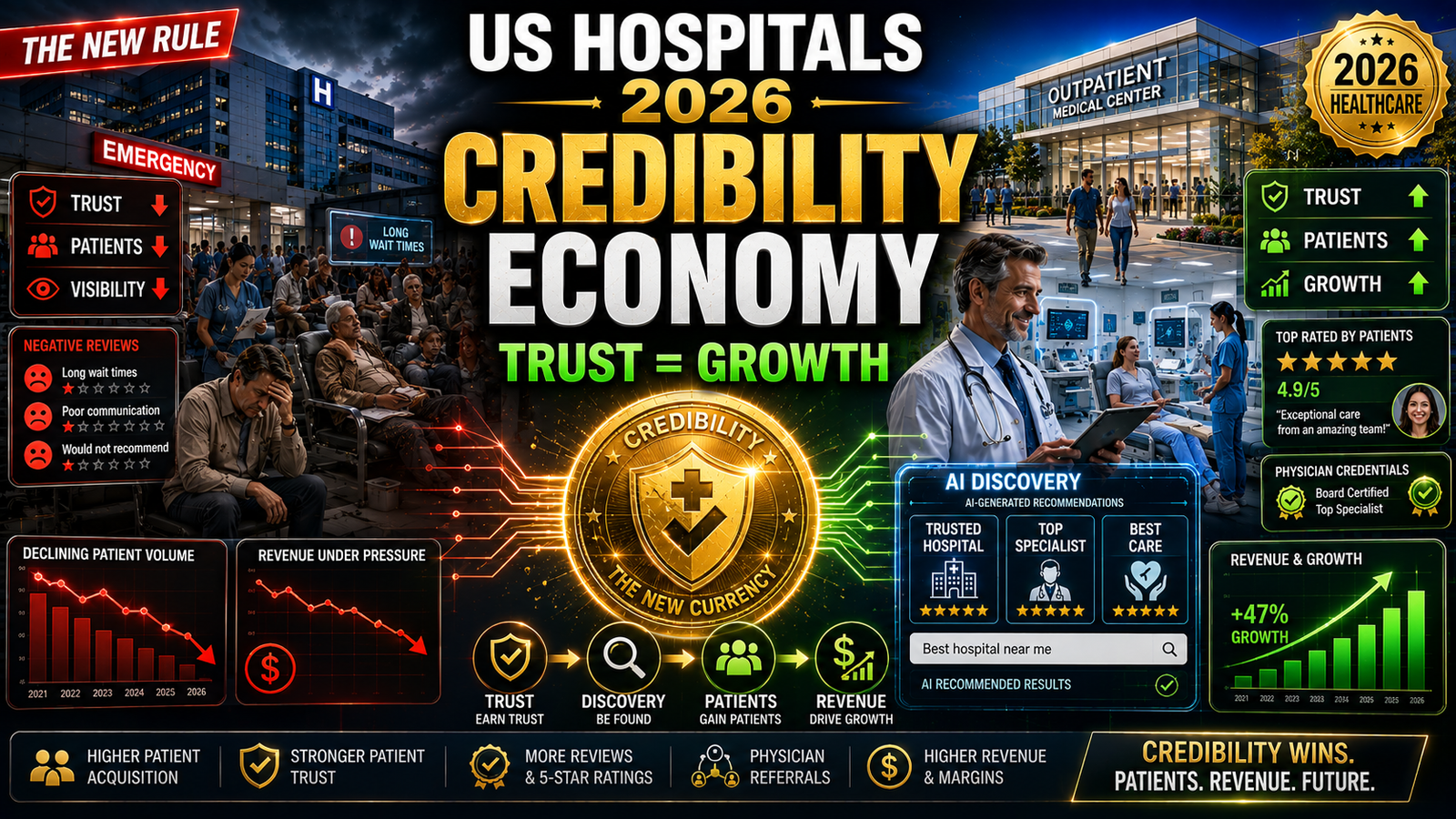
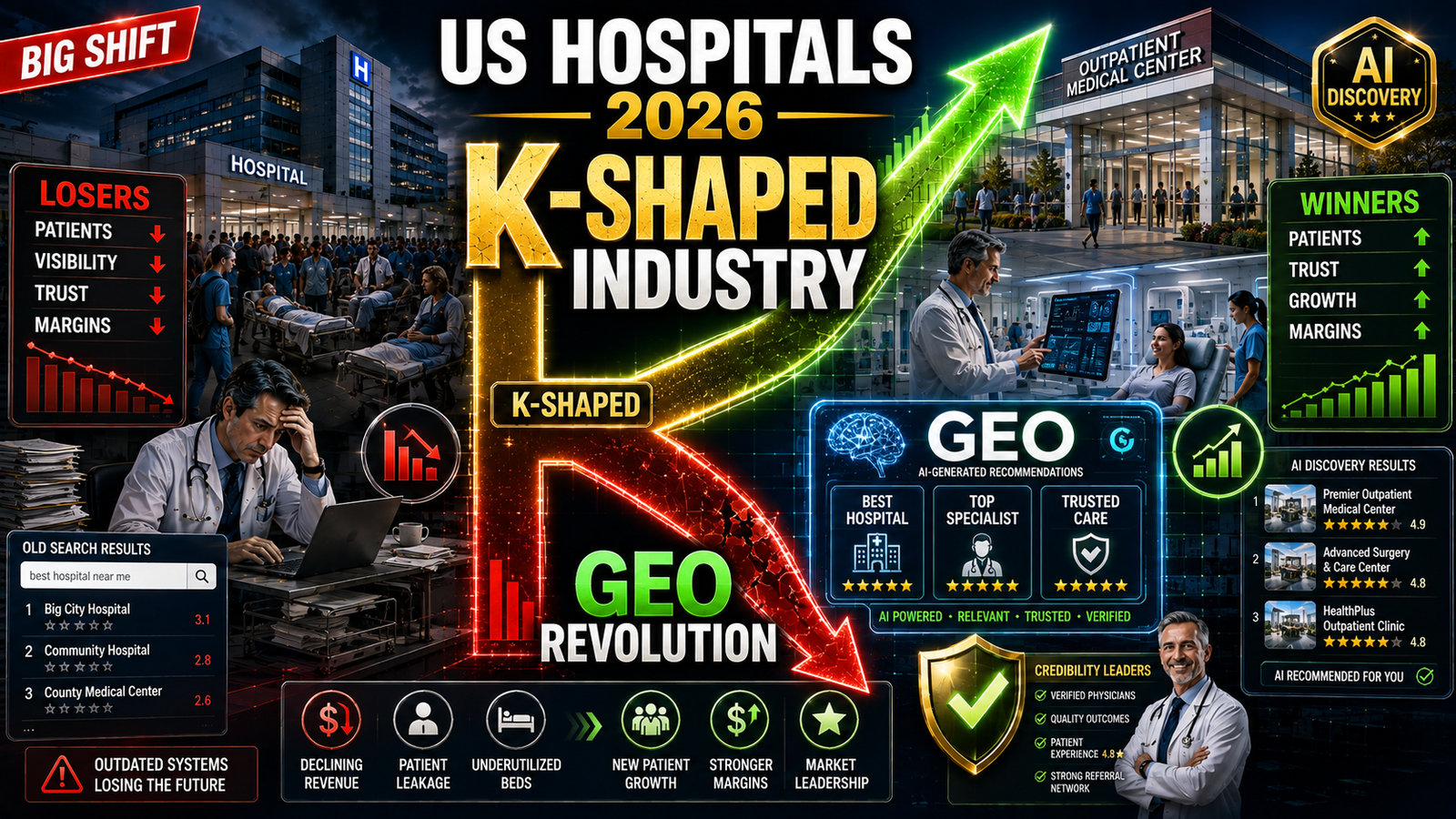
Healthcare SEO in 2026 must address both traditional search and generative answer platforms. As more patient journeys begin and end inside AI-generated results, healthcare brands need to be referenced, summarized, and recommended accurately by the tools patients use to narrow options before clicking a website .
Relevance’s 2026 Healthcare SEO & GEO Playbook recommends focusing on entity and authority signals—strengthening brand, clinician, and location entities so answer engines pull the right facts and attribute them to you .
Technical Foundations That Move the Needle
Siteimprove recommends prioritizing:
- Accessibility checks: Heading hierarchy, color contrast, alt text on images, keyboard navigation
- Technical SEO validation: Broken links, orphaned pages, meta descriptions, canonical tags
- Brand consistency: Consistent tone, legal disclaimers, and brand terminology across departments
The Risks of a Single-Content Strategy
When the lion’s share of traffic comes from a single web page, you’re extremely vulnerable to algorithm updates. Northeast Medical Group, despite its 893% growth, would benefit from diversifying their content portfolio to create multiple traffic drivers across different topics and keyword clusters .
Key Takeaways for Hospital SEO Leaders
1. Target high-demand specialties first. Psychiatry, cardiology, oncology, orthopedics, and primary care face the most acute physician shortages and patient search volume .
2. Build comprehensive content clusters. Don’t write one-page overviews. Cardiology needs 15+ pages, oncology needs 25+, orthopedics needs 20+ .
3. Create individual physician profiles. “Dr. [Name] [city]” searches are high-intent and convert well. Each physician needs an indexable page .
4. Optimize every location. Each hospital, clinic, and ASC needs a dedicated landing page with local content, maps, and contact details .
5. Invest in technical SEO. Accessibility, structured data, and internal linking matter more than ever. Google penalizes inaccessible pages .
6. Prepare for AI and GEO. Your content must be referenced and summarized accurately by generative answer engines .
7. Diversify your content portfolio. Don’t rely on one high-performing article. Build multiple traffic drivers .
Conclusion
The US hospital industry in 2026 faces unprecedented demand driven by an aging population and severe physician shortages. The $1.93 trillion market is shifting decisively toward outpatient care, with 65% of surgeries now performed in outpatient settings .
For hospital marketing and SEO professionals, the opportunity is clear: build comprehensive, authority-driven content clusters around high-demand specialties, optimize every location and physician page, and prepare for the AI-driven future of search. The hospitals that invest in robust, patient-centered content will capture the patients that their competitors cannot see.