sharmaanubhav6660@gmail.com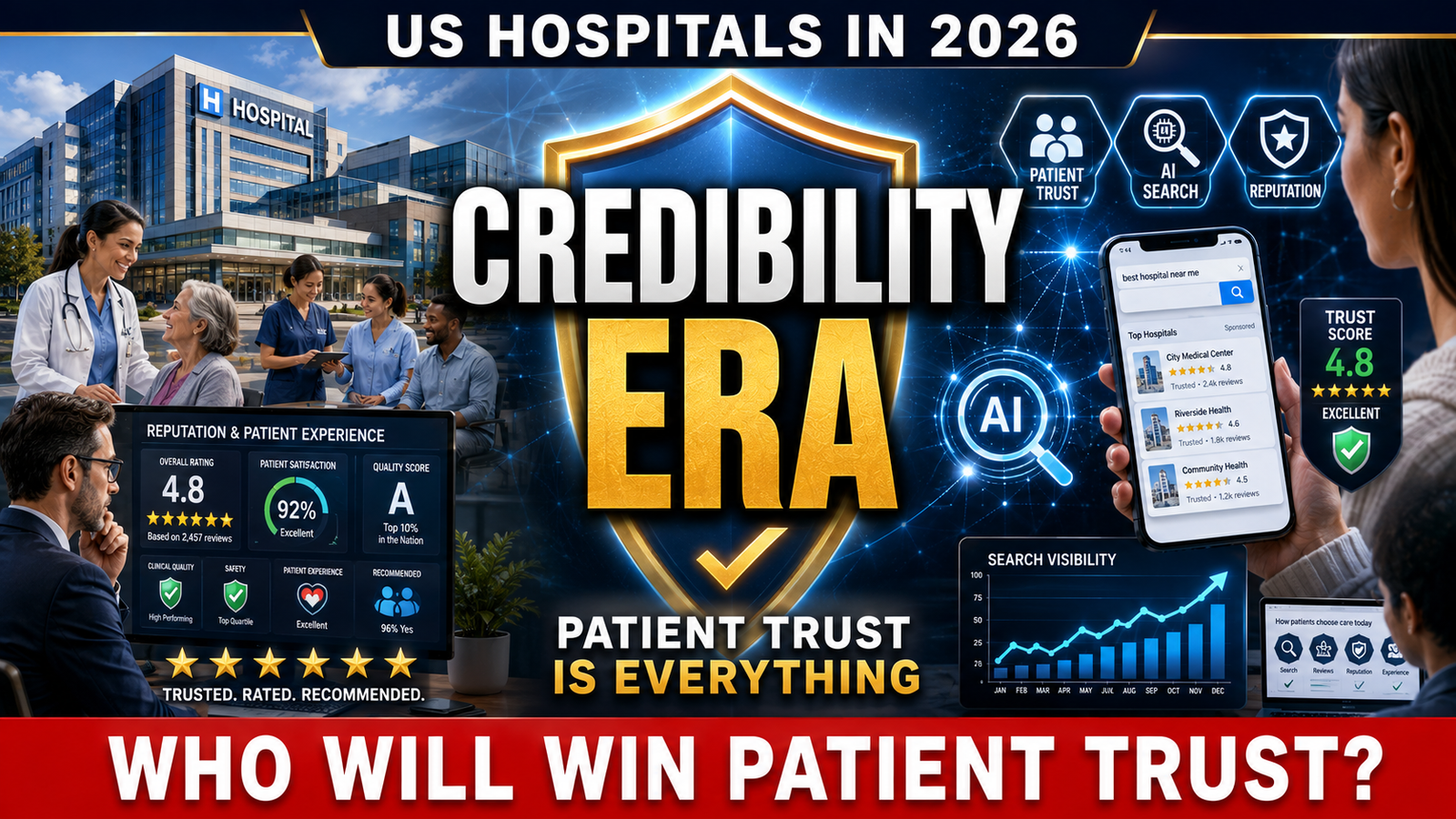
Part One: The “Have” and “Have-Not” Industry
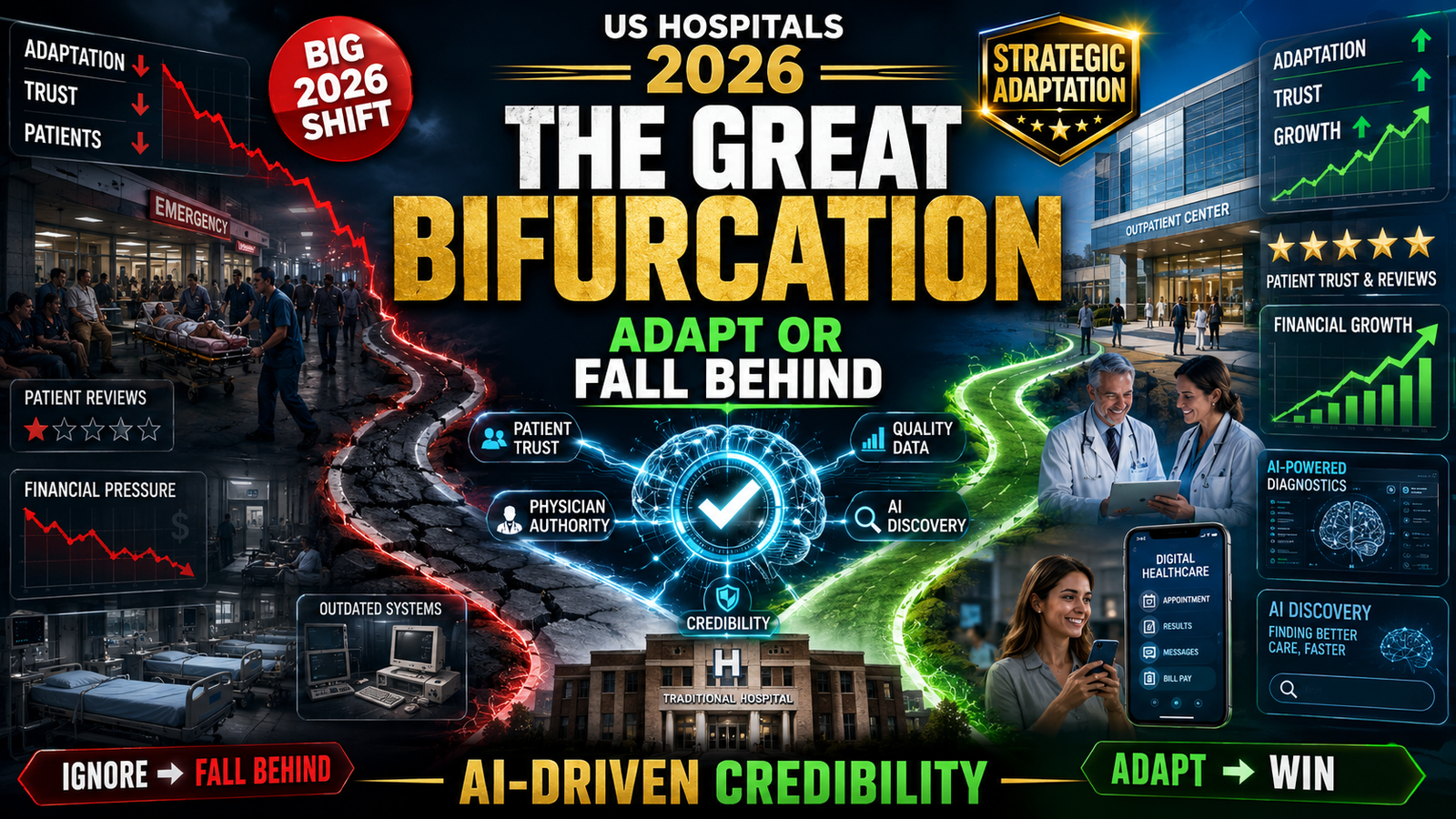
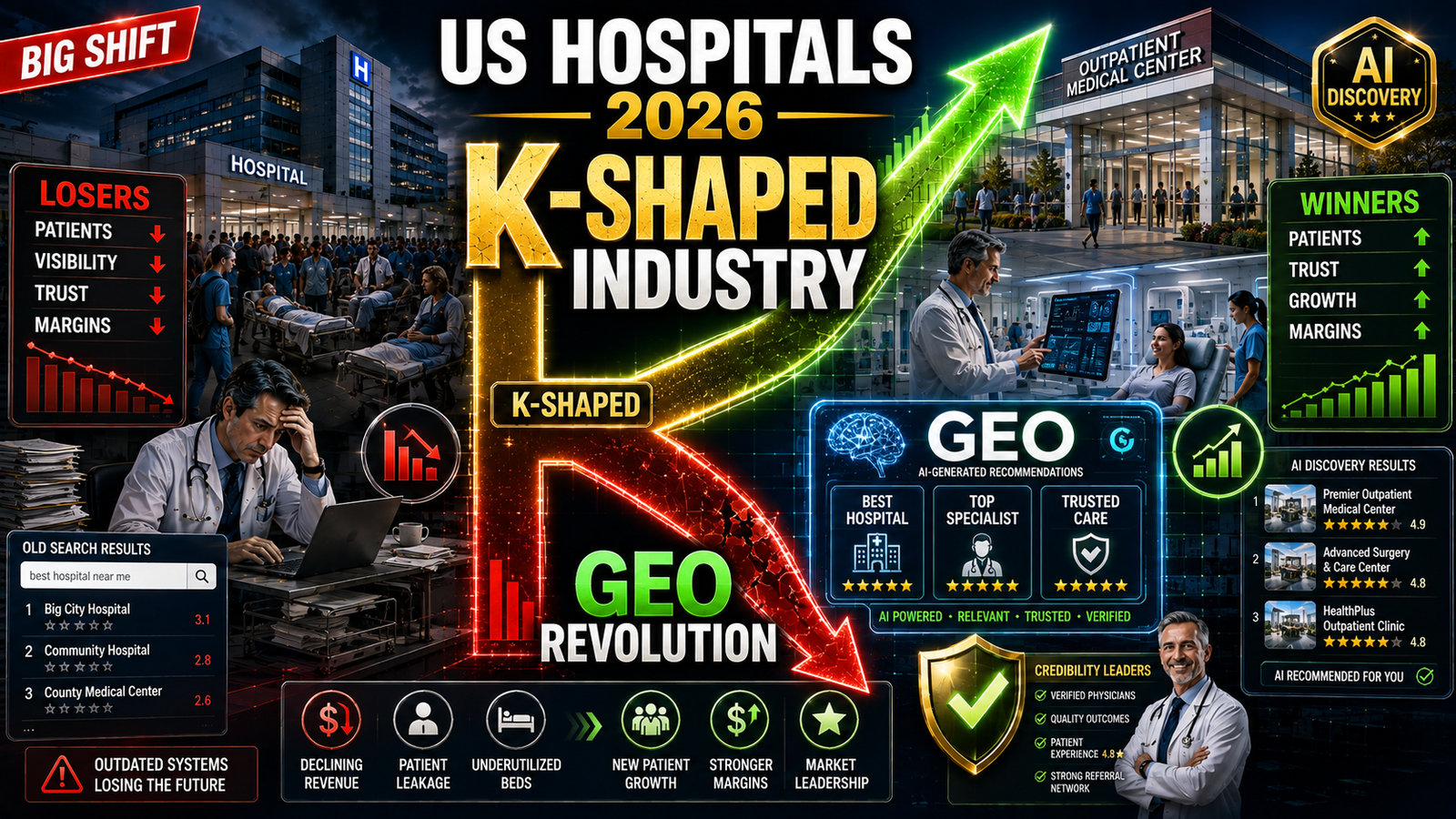
The US hospital sector is experiencing a decisive split. Analysts describe it as a “K-shaped” recovery, where well-capitalized systems thrive and weaker institutions sink. Fitch Ratings data shows AA-rated systems saw median operating margins improve to 2.8% in fiscal 2025, near pre-pandemic levels, while junk-rated hospitals saw their margins fall to -2.8% from -1.6% the prior year. This divergence reflects decades of consolidation, with weaker credits being systematically filtered out.
Kevin Holloran of Fitch Ratings predicts a bifurcation between “have” and “have-not” hospitals based on location, willingness to make hard decisions on mission versus margin, and ability to realize operational opportunities. The industry is shifting from trifurcation to bifurcation.
Part Two: The Outpatient Imperative
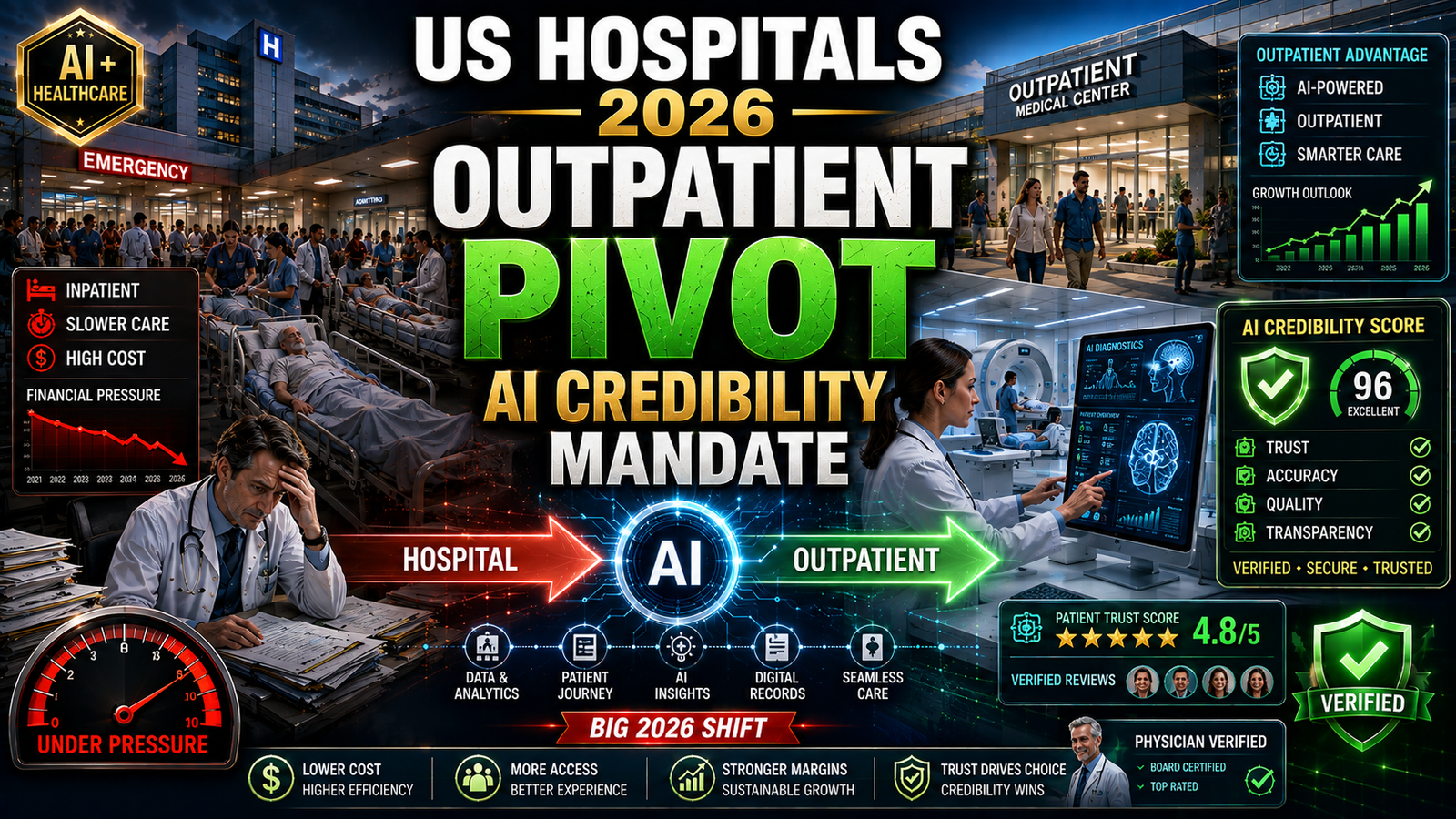
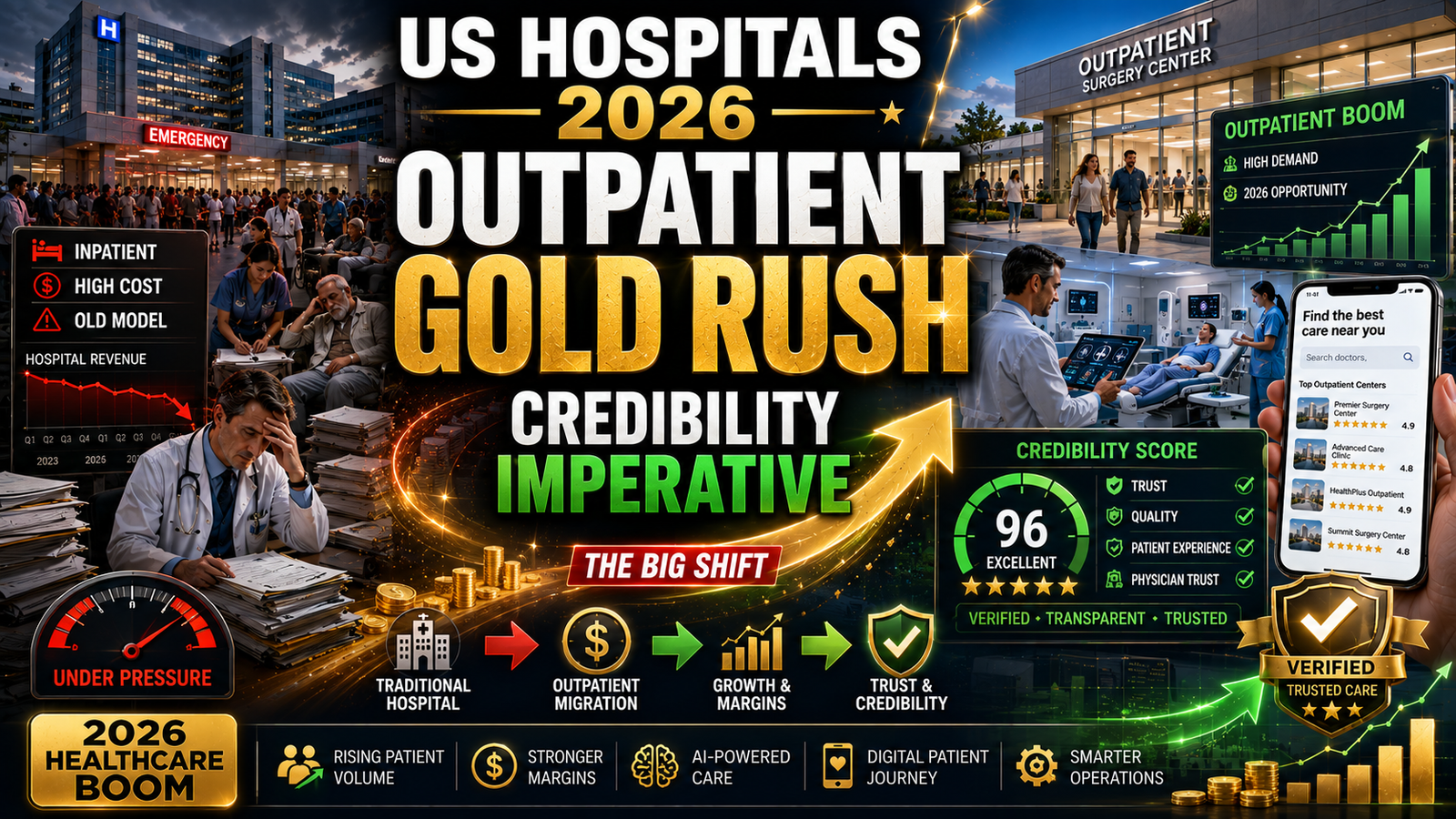
The first quarter of 2026 saw U.S. hospital net operating revenue rise 5% per calendar day, with gross operating revenue growing 7% . Outpatient care was the clear driver, growing 8% nationally compared to 4% for inpatient revenue . Through May, outpatient revenue per calendar day increased 8% year over year, while inpatient discharges remained relatively flat .
However, the outpatient shift has tradeoffs. As procedures move to outpatient settings, hospitals face revenue dilution and a higher concentration of complex patients on the inpatient side . Erik Swanson of Kaufman Hall warned: “Hospitals are off to a relatively soft start in 2026. Outpatient care strategies offer a potential path forward, though hospitals must manage both revenue dilution and a greater concentration of high-acuity patients” . He added: “Demand in outpatient services is on the rise, and hospitals without an outpatient footprint will struggle” .
Part Three: The ASC Land Grab
The scale of consolidation is unprecedented. Ascension completed its $3.9 billion acquisition of AmSurg, expanding its ASC network to roughly 300 facilities nationwide . Ascension itself went from running 139 hospitals in 2022 to 90 hospitals and more than 300 ASCs by June 2026 . The FTC required seven divestitures—the first time regulators applied that level of scrutiny to an ASC-specific deal .
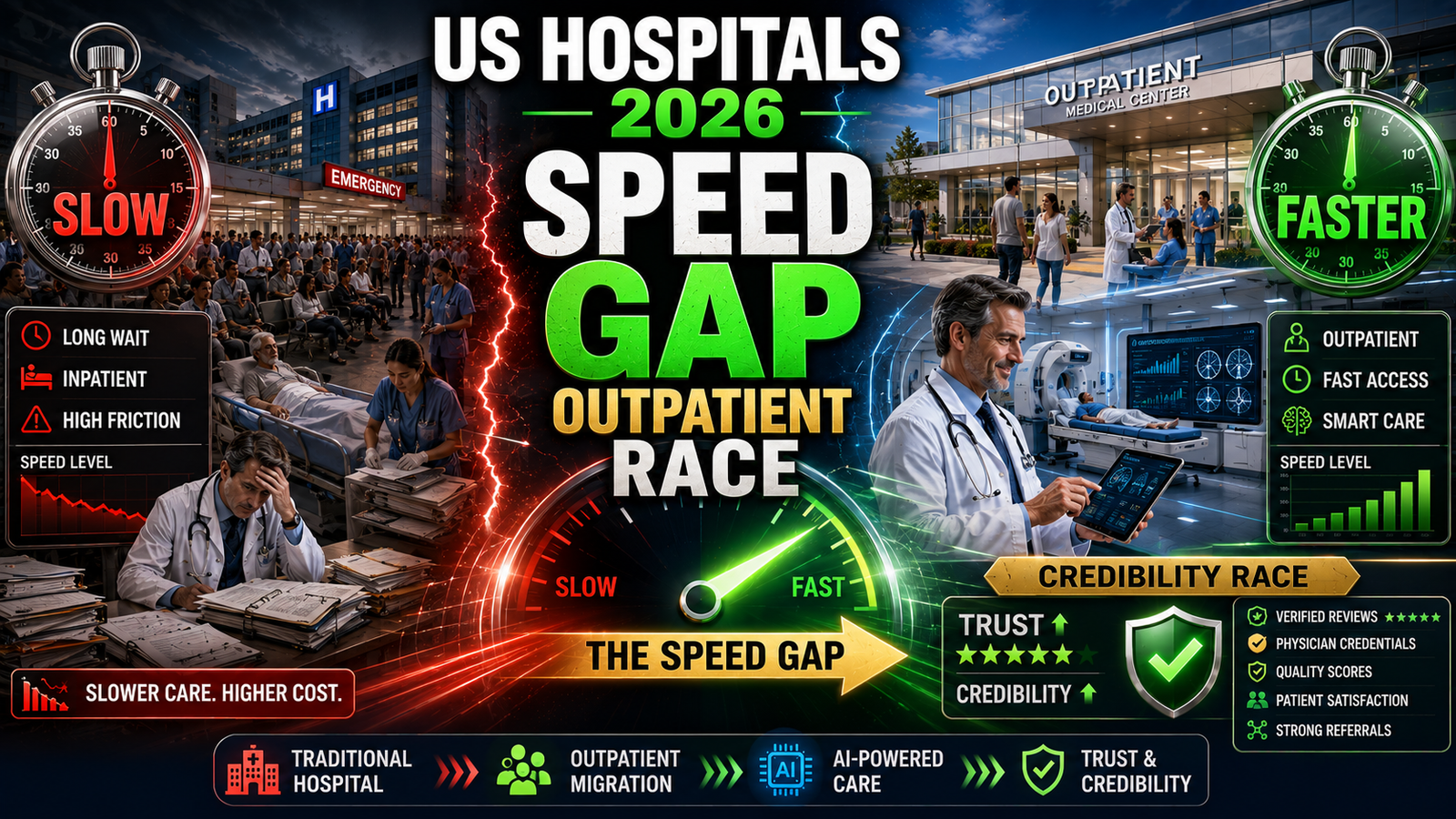
The for-profit speed gap is clear. Tenet Healthcare deployed $125 million in the first quarter of 2026 to acquire seven ASCs, representing half of its annual M&A target . Community Health Systems is acquiring multiple ASC operators, and HCA continues outpatient acquisitions in urgent care and ASC platforms . Tenet’s USPI outpatient surgery subsidiary delivered a 36.7% adjusted EBITDA margin with double-digit same-store growth in total joint replacements .
Part Four: The Policy Storm
The One Big Beautiful Bill Act (H.R. 1), enacted in 2025, imposes new Medicaid work requirements and limits state-directed payments. CMS proposed rule changes that would increase federal funding cuts from $150 billion to $510 billion over 10 years—3.4 times more than Congress intended . America’s Essential Hospitals estimates OBBBA will increase hospital uncompensated care costs by $466 billion over 10 years .
The impact is concentrated in high-Medicaid states. Kentucky, the twenty-sixth most populous state, has $4.3 billion in SDPs—tied for the sixth largest . The implementation is backloaded: only 6% of total cuts take effect from 2025 to 2027, while 76% arrive from 2028 to 2034 . The 80-hour monthly work requirement for Medicaid expansion adults takes effect in January 2027.
Part Five: The Credibility Era — GEO for Healthcare
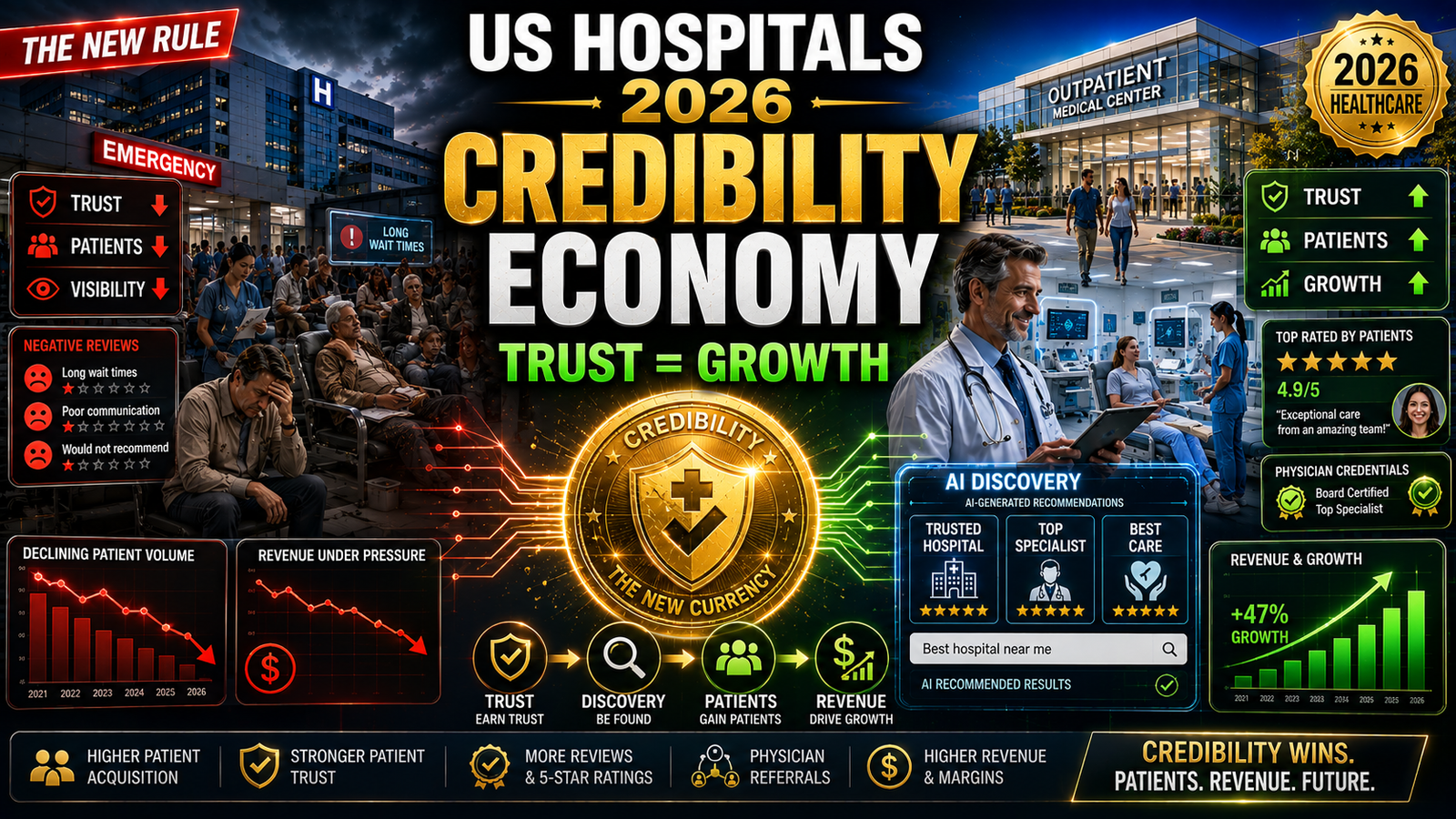
As patients increasingly use AI search and chatbots for health information, healthcare marketers are pivoting to Generative Engine Optimization (GEO) . AI search visits grew 42.8% year-over-year, from 15.6 billion in Q1 2025 to 27.4 billion in Q1 2026 . A health system absent from AI-generated answers loses visibility at the exact moment a patient chooses where to seek care .
AI engines reward structured, sourced, and verifiable content . Adding statistics increases AI visibility by 22%, and adding quotations raises it by 37% . Cited text is nearly twice as likely to contain definitive language (36.2% vs. 20.3%), and 44.2% of ChatGPT citations come from the first 30% of page text .
Every clinical page should name the reviewing physician, list credentials, show a review date, and link to current medical literature . Tables get extracted by LLMs at 81% versus 23% for prose . Structure pages with question-style headings, comparison tables, and FAQ blocks. Add MedicalOrganization, Physician, and FAQPage schema . Ensure AI crawlers like OAI-SearchBot and PerplexityBot can access your content .
A real-world medical case study showed AI visibility improved from 18% to 44% (+26%), SOV increased 133%, brand citations rose 157%, and hallucination rates dropped from 22% to 9% over five months .
Conclusion
The US hospital industry in 2026 is navigating structural pressures: a K-shaped recovery, the shift to outpatient care, and a patient discovery layer increasingly dominated by AI answer engines. The for-profit speed gap is clear: Tenet, CHS, and HCA are acquiring multiple facilities in a single quarter while many NFPs remain in the planning phase . As Ashley Pollard of SSM Health observed: “The traditional model where consumers ask Google a question and navigate multiple websites for answers is becoming obsolete. As AI evaluates every digital touchpoint, a holistic focus on the quality, credibility and structure of our content across the entire digital ecosystem is no longer optional—it is essential” .
For hospital marketing and SEO professionals, the mandate is clear: every patient who finds you online is a patient your competitors cannot see. The hospitals that invest in structured, expert-reviewed content, technical excellence, and AI-optimized visibility will capture patients in a system where demand outpaces supply. In an era of AI-mediated discovery, credibility is not just a marketing tactic—it is a survival strategy.